AC Not Cooling? Troubleshooting & Repair Solutions

AC Not Cooling? Expert Troubleshooting and Reliable Repair Solutions for Your Air Conditioner
When your air conditioning unit does not cool your home effectively, you will experience discomfort and inconvenience. At First Response Heating and Cooling, we understand how important a properly functioning AC is to your comfort. Knowing the common causes of an AC not cooling enables you to perform initial troubleshooting with confidence. This article explains why your air conditioner may be blowing warm air, outlines practical corrective steps, and indicates when professional intervention is required. We address mechanical failures, refrigerant issues, and thermostat malfunctions, and emphasize the value of timely maintenance and professional HVAC services, including support from our team at First Response Heating and Cooling in Florida, FL.
What Are the Common Causes of an AC Blowing Warm Air?
Warm air from an air conditioner is typically caused by one or more identifiable problems. Common causes include mechanical failures, refrigerant deficiencies, and thermostat malfunctions. Identifying the correct cause helps you select the appropriate repair or maintenance action to restore cooling performance. Our experts at First Response Heating and Cooling can assist you in diagnosing these issues accurately.
1. Mechanical Failures
Mechanical failures are a frequent reason an AC will not cool properly. Faults can arise in components such as the compressor or fan motor. Signs of compressor failure include unusual noises or a unit that will not start. A failing fan motor reduces airflow and diminishes cooling capacity. Regular maintenance and prompt professional repairs from First Response Heating and Cooling reduce the likelihood of these failures and help maintain system efficiency.
2. Refrigerant Issues
Refrigerant problems are another common cause of warm air. Low refrigerant levels usually result from leaks and will impair the system’s ability to absorb heat. Typical indicators include ice on the evaporator coil and hissing noises near the equipment. Locating and repairing leaks and restoring proper refrigerant charge are necessary to recover cooling performance; these tasks are best handled by a qualified HVAC technician from First Response Heating and Cooling.
3. Thermostat Malfunctions
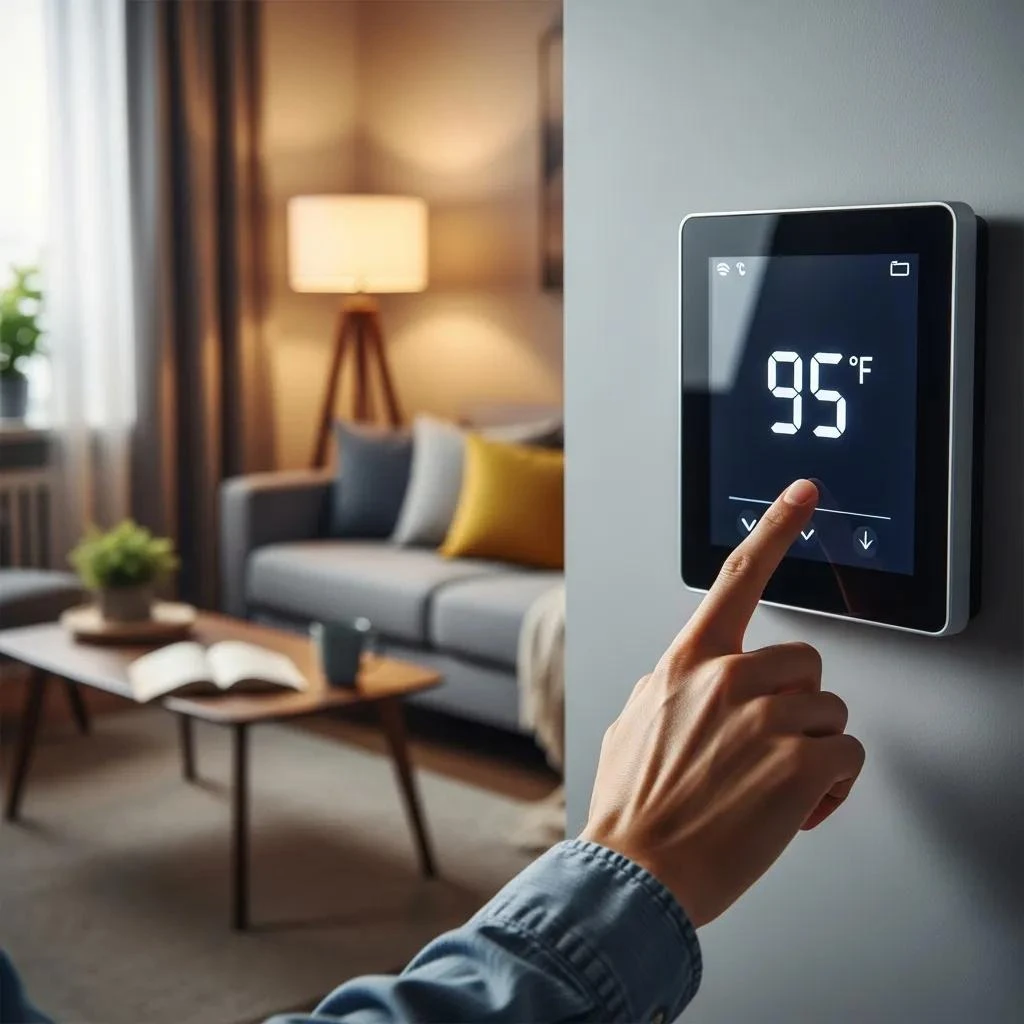
Thermostat issues can prevent your AC from receiving the correct control signals. Incorrect settings or a malfunctioning thermostat may stop the system from cooling to the desired temperature. You should verify thermostat settings and replace batteries if applicable. If the thermostat is unresponsive or shows inaccurate readings, recalibration or replacement will likely be required to restore proper operation. Our team at First Response Heating and Cooling can provide expert thermostat services to ensure your system operates correctly.
How Do Refrigerant Leaks Affect AC Cooling Performance?
Refrigerant leaks reduce the system’s refrigerant charge and hinder heat transfer, causing the AC to circulate warm air. Low refrigerant also contributes to ice accumulation on the evaporator coil, which further restricts cooling. Be alert for hissing sounds, ice formation, or reduced cooling capacity, and arrange professional repair promptly with First Response Heating and Cooling to prevent additional component damage.
What Role Does the Compressor Play in AC Cooling Problems?
The compressor circulates refrigerant and is central to the cooling cycle. Compressor failure interrupts refrigerant flow and halts effective cooling. Common symptoms include unusual sounds, overheating, or a unit that will not start. Regular inspections and timely repairs by our licensed technicians help ensure the compressor remains reliable and reduce the risk of extended downtime.
How Can You Diagnose Why Your AC Is Not Cold?
Diagnosing a unit that is not cold requires a methodical approach. Begin by confirming thermostat settings. Inspect air filters for dirt and replace them if clogged. Check the outdoor unit for debris or obstructions and ensure it is clean. If these basic checks do not resolve the issue, schedule a professional diagnostic with a licensed HVAC technician from First Response Heating and Cooling for a comprehensive assessment.
For a more thorough homeowner-led diagnosis, add these safe, step-by-step checks:
• Confirm Power and Breakers: Verify the AC is receiving power and that the circuit breaker and disconnect switch are on.
• Observe the Outdoor Unit: With the system running, note whether the outdoor fan is operating and whether the condenser coil is visibly dirty or blocked.
• Check Vents and Return Air: Ensure supply vents are open and the return-vent grille is unobstructed. Reduced airflow at vents points to filter, duct, or blower issues.
• Inspect Drainage: Look for water pooling or a clogged condensate drain, which can trigger safety shutoffs and reduce cooling.
• Look for Ice: Ice on coils commonly indicates low refrigerant or restricted airflow; do not run the unit until ice melts and airflow is restored.
Note: Avoid opening electrical panels or handling refrigerant; these tasks require licensed technicians. Use basic tools (a flashlight, simple brush, and thermometer) and prioritize safety—turn the unit off at the breaker before clearing debris.
Which HVAC Troubleshooting Tips Help Identify Cooling Failures?
When troubleshooting cooling failures, use a few targeted checks to narrow the cause.
• Check for Ice Buildup: Inspect the evaporator coil for ice formation, which can indicate refrigerant issues or airflow problems.
• Listen for Unusual Noises: Pay attention to any strange sounds coming from the unit, as they may signal mechanical failures.
• Inspect Air Filters: Regularly check and replace air filters to ensure proper airflow and prevent cooling inefficiencies.
Performing these checks will help you identify common cooling faults and determine whether professional service from First Response Heating and Cooling is required.
Additional practical tips include measuring temperature differences: compare return-air temperature with supply-air temperature at a central vent (a typical working system will show a clear temperature drop across the evaporator). If the differential is small, that signals reduced cooling capacity or airflow issues. Also inspect accessible ductwork for disconnected sections or large leaks.
How to Recognize Thermostat and Airflow Issues Affecting Cooling?
Recognizing thermostat and airflow problems is essential for maintaining efficiency. Confirm that thermostat settings match your desired temperature and that controls are functioning. Inspect and replace dirty filters to restore airflow. If the thermostat is unresponsive or provides incorrect readings, arrange recalibration or replacement with First Response Heating and Cooling to re-establish proper control.
When Should You Call a Professional for Air Conditioner Repair Near Me?
Knowing when to contact a professional preserves comfort and prevents further damage. Key indicators that require expert inspection include weak or no cold air, unusual mechanical noises, and visible water leaks. In such cases, engage a licensed technician from First Response Heating and Cooling to diagnose and repair the system safely and effectively.
• Weak or No Cold Air: If the AC is not producing cold air despite being set correctly, it may require professional inspection.
• Strange Noises: Unusual sounds, such as grinding or hissing, can indicate mechanical failures that need expert attention.
• Water Leaks: Any signs of water pooling around the unit may suggest refrigerant leaks or drainage issues that require immediate repair.
If you experience any of these issues, it is advisable to contact First Response Heating and Cooling for expert service in Florida, FL.
What to expect when a technician from First Response Heating and Cooling arrives: a licensed technician will perform a system inspection that typically includes verifying electrical safety, checking refrigerant pressures (if applicable), testing components such as capacitors and contactors, measuring airflow, and providing a written estimate with recommended actions. A professional will explain options, prioritize safety, and identify whether immediate repairs or a planned service are appropriate.
What Are the Signs That Require Expert HVAC Repair Service?
Several warning signs indicate your HVAC system needs professional repair. These include frequent cycling, rising energy bills, and unusual odors. Early recognition of these symptoms allows you to address issues before they escalate.
• Frequent Cycling On/Off: If your AC frequently turns on and off, it may indicate an underlying issue that needs professional assessment.
• Increased Energy Bills: A sudden spike in energy costs can signal inefficiencies in your HVAC system that require attention.
• Unusual Odors: Foul smells coming from the unit can indicate electrical issues or mold growth, necessitating professional intervention.
Recognizing these signs early can help prevent larger failures and reduce repair costs over time. Our team at First Response Heating and Cooling is ready to assist you with any of these concerns.
How Do Licensed Technicians Ensure Reliable and Efficient Repairs?
Licensed technicians at First Response Heating and Cooling apply structured diagnostics and comprehensive inspections to identify faults accurately. We use approved tools to verify system performance and implement repairs in accordance with safety standards. Engaging our licensed professionals ensures reliable repairs and supports long-term system efficiency.
In practice, our technicians document findings, outline recommended repairs or maintenance, and discuss expected outcomes and timelines. Where appropriate, we advise on parts availability, warranty coverage, and any safety precautions to follow after service.
What Are the Typical AC Compressor Problems and Their Solutions?
AC compressor problems appear in different forms; understanding them supports timely action. Typical issues include compressor failure, electrical faults, and overheating. Each requires a specific diagnostic and repair approach to restore reliable cooling.
• Compressor Failure: This can occur due to electrical issues or mechanical wear and tear, often requiring replacement.
• Electrical Problems: Faulty wiring or capacitor issues can prevent the compressor from starting, necessitating professional repair.
• Overheating: If the compressor overheats, it may shut down to prevent damage, requiring inspection and potential repairs.
Prompt attention to compressor faults helps restore cooling efficiency and extends the service life of the unit. Our technicians at First Response Heating and Cooling are experienced in diagnosing and repairing these issues efficiently.
How to Identify a Faulty AC Compressor?
Identifying a faulty compressor requires watching for characteristic symptoms. Common indicators include a humming noise with no cooling, frequent circuit breaker trips, and grinding or rattling sounds. These signs warrant professional evaluation by First Response Heating and Cooling.
• Humming Sound with No Cooling: If the compressor hums but does not produce cold air, it may indicate a failure.
• Frequent Tripping of Circuit Breaker: If the circuit breaker trips frequently, it may signal electrical problems within the compressor.
• Unusual Noises: Grinding or rattling sounds can indicate mechanical failures that require immediate attention.
If you notice any of these symptoms, it is essential to consult a professional HVAC technician from First Response Heating and Cooling for a thorough inspection.
What Repair Options Are Available for Compressor Failures?
Homeowners typically have several repair options for compressor issues, including replacement, electrical component repair, and enhanced maintenance routines. The appropriate choice depends on the nature and severity of the fault.
• Compressor Replacement: In cases of severe failure, replacing the compressor may be necessary to restore cooling functionality.
• Electrical Component Repair: If electrical issues are identified, repairing or replacing faulty components can resolve the problem.
• Regular Maintenance: Implementing regular maintenance can help prevent compressor failures and extend the lifespan of the unit.
Consulting with a licensed HVAC technician from First Response Heating and Cooling will determine the most effective and cost-efficient course of action for compressor repair or replacement.
How Much Does AC Repair Cost in Florida, FL and What Factors Influence It?
AC repair costs in Florida, FL vary by the type and complexity of the repair, and by the service provider. On average, homeowners can expect to pay a moderate range for common repairs. Key cost drivers include the repair type, local labor rates, and parts availability.
• Type of Repair: More complex repairs, such as compressor replacement, may incur higher costs.
• Labor Rates: Labor costs can vary by region and service provider, impacting the overall repair price.
• Parts Availability: The availability of replacement parts can also affect repair costs, especially for older units.
Understanding these factors will help you budget for repairs and make informed decisions when selecting service. When comparing service providers, request a written estimate that breaks down labor, parts, and any diagnostic fees. Ask about warranty coverage on parts and labor so you understand post-repair protection. If cost or timing is a concern, discuss staged repairs or prioritized recommendations with the technician from First Response Heating and Cooling.
What Are the Average Repair Costs for Common AC Issues?
Homeowners should be aware of typical repair cost ranges for common issues, which can assist with financial planning and decision making.
• Refrigerant Leak Repair: Typically ranges from a lower to higher moderate cost depending on the severity of the leak and the amount of refrigerant needed.
• Compressor Replacement: Costs can range from a moderate to higher range depending on the unit's size and complexity.
• Thermostat Replacement: Generally costs within an affordable to moderate range depending on the type of thermostat being installed.
Being informed about these average costs enables you to prepare financially and select appropriate repair options with confidence.
How Do Climate and Supply Chain Affect HVAC Repair Pricing?
Climate and supply chain conditions influence repair pricing. Higher regional demand during extreme temperatures can raise labor costs, and supply chain disruptions may increase parts costs or lead times. Consider these factors when scheduling service with First Response Heating and Cooling to avoid potential price increases.
What Preventative Maintenance Tips Can Keep Your AC Cooling Efficient?
Preventative maintenance preserves efficiency and reduces the risk of breakdowns. Simple measures and scheduled professional service can maintain consistent cooling performance.
• Regular Filter Changes: Changing air filters every 1-3 months can improve airflow and cooling efficiency.
• Professional Tune-Ups: Scheduling annual maintenance with a licensed technician from First Response Heating and Cooling can help identify and address potential issues before they escalate.
• Clean Outdoor Units: Keeping the outdoor unit free from debris and obstructions can enhance airflow and cooling performance.
Following these maintenance practices will prolong the life of your AC maintenance unit and help ensure reliable cooling.
A simple seasonal checklist for homeowners:
• Before summer, clear vegetation and debris at least two feet from the outdoor unit; inspect the area for nesting insects or leaves.
• Replace or clean filters monthly during heavy use and check that supply vents remain open and unobstructed.
• Keep gutters and roof drainage in good condition to prevent excess humidity around the outdoor unit.
How Does Timely Service Improve Long-Term AC Reliability?
Timely service reduces the likelihood of unexpected failures and maintains system efficiency. Regular inspections detect developing faults early, and prompt repairs prevent minor issues from becoming major expenses. Prioritize scheduled service with First Response Heating and Cooling to protect comfort and control operating costs.
Frequently Asked Questions
What should I do if my AC is blowing warm air?
If your AC is blowing warm air, first verify the thermostat settings and inspect the air filters for dirt or blockage. Check the evaporator coil for ice, which may indicate a refrigerant problem. If these basic actions do not restore cooling, contact a professional HVAC technician from First Response Heating and Cooling for a full diagnosis and repair.
How often should I schedule maintenance for my AC unit?
Schedule maintenance for your AC at least once per year, preferably before the cooling season. Annual service allows a licensed technician from First Response Heating and Cooling to inspect components, check refrigerant levels, clean the system, and make adjustments that promote efficient operation and extend equipment life.
What are the signs that my AC needs refrigerant?
Signs that your AC requires refrigerant include reduced cooling output, ice on the evaporator coil, and hissing or bubbling noises near the system. If you observe these symptoms, arrange for a technician from First Response Heating and Cooling to check for leaks and recharge the refrigerant as needed.
Can a dirty air filter affect my AC's performance?
Yes. A dirty air filter restricts airflow, reduces cooling efficiency, and increases energy use. Prolonged neglect can cause system strain and potential damage. Check and replace filters every 1-3 months to maintain optimal performance.
What should I do if my AC is making strange noises?
If you hear grinding, rattling, or hissing, switch off the unit and arrange a professional inspection with First Response Heating and Cooling. Unusual noises often indicate mechanical or electrical faults that require timely repair to prevent further damage.
How can I improve my AC's energy efficiency?
Improve energy efficiency by performing regular maintenance, replacing filters as recommended, keeping the outdoor unit clear of debris, sealing home air leaks, and using a programmable thermostat to optimize cooling schedules.
What are the benefits of hiring a licensed HVAC technician?
Hiring a licensed technician from First Response Heating and Cooling ensures accurate diagnosis and compliant repairs. Our licensed professionals bring formal training, experience with advanced diagnostic tools, and adherence to safety and industry standards, which results in more reliable repairs and extended equipment life.
How Do I Know If My AC Compressor Is Bad?
Identifying a failing compressor requires observing specific symptoms. Look for unusual noises, overheating, or a unit that will not start. Follow diagnostic steps such as checking electrical connections and inspecting for refrigerant leaks. A professional assessment by First Response Heating and Cooling provides an accurate diagnosis and repair plan.
• Symptoms of Compressor Failure: Unusual noises, overheating, or the unit not starting can indicate compressor issues.
• Diagnostic Steps: Checking electrical connections and inspecting for refrigerant leaks can help determine the compressor's condition.
• Professional Assessment: Consulting a licensed technician from First Response Heating and Cooling for a thorough evaluation is essential for accurate diagnosis and repair.
By monitoring these signs, you can take proactive steps to address compressor problems before they escalate.
Can I Fix My AC Not Cooling Myself or Should I Hire a Professional?
You can perform basic troubleshooting, such as verifying thermostat settings and replacing air filters. However, complex issues—like refrigerant leaks or compressor failures—require licensed HVAC expertise. Hiring a professional from First Response Heating and Cooling ensures correct diagnosis, safe repair, and dependable long-term performance.
If you choose to perform simple maintenance, document your observations (dates, temperatures, any noises, and photos) before calling a technician; this information helps the service provider diagnose problems more quickly. For heating, refrigerant, or component replacement work, always use a licensed professional to ensure safety and regulatory compliance.
Contact First Response Heating and Cooling for Reliable AC Repair and Maintenance
Understanding the common causes of an air conditioner failing to cool empowers you to take appropriate action. Addressing mechanical faults, refrigerant issues, and thermostat problems, together with regular maintenance and timely professional service, will improve performance and reliability. For expert HVAC service and dependable repairs, contact First Response Heating and Cooling in Florida, FL. Our dedicated team is ready to help restore your comfort and ensure your air conditioning system operates efficiently all year round.
Service Areas
